Aegypti
An Alternate Egypt
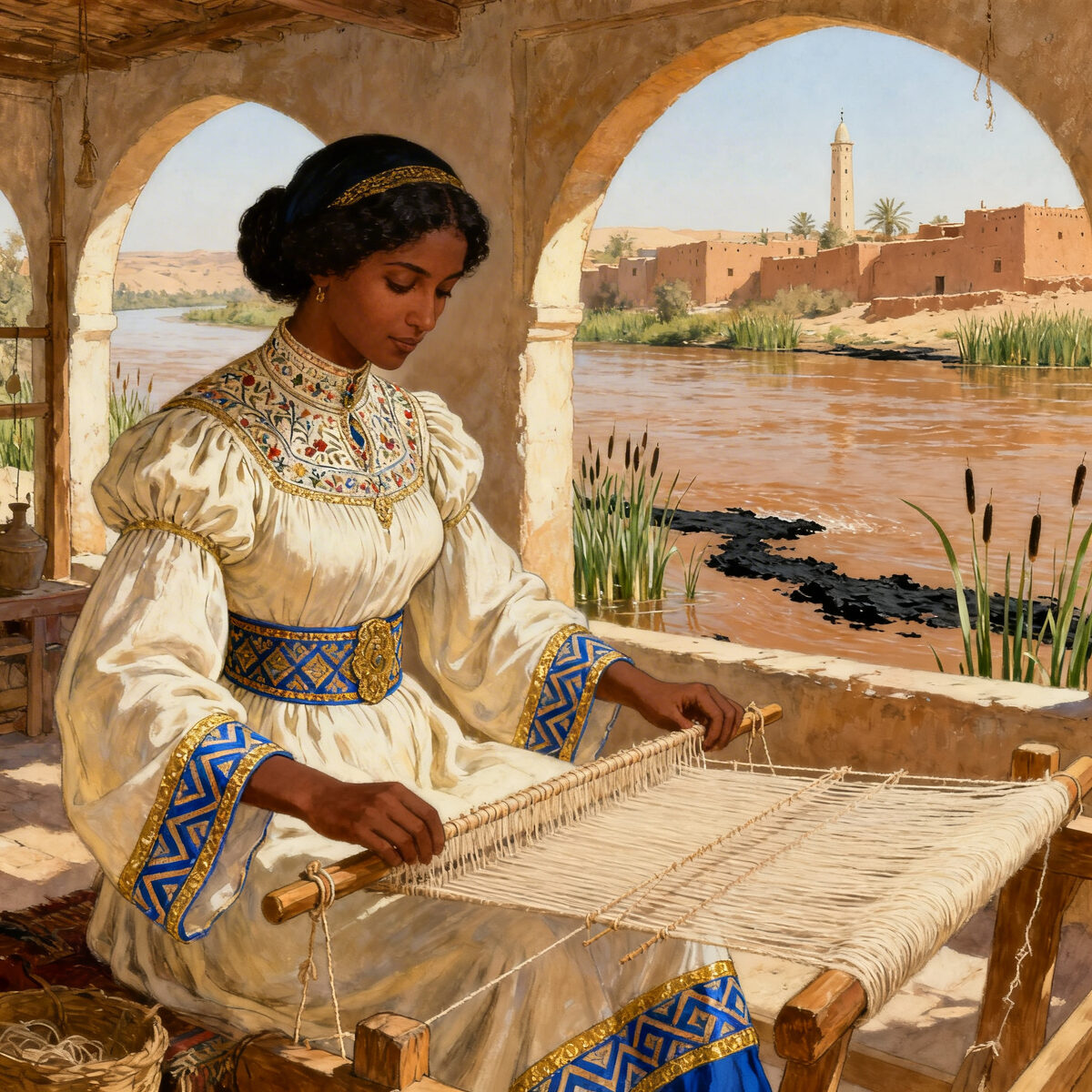
The river is everything. Every year it floods, every year the black soil comes back, and every year the harvest follows like a promise kept. The pyramids are right there, enormous and impossible, and the Valdaran engineers measure them with brass instruments and miss the point entirely. Bronze-skinned and unhurried, dressed in linen that flows like water, eating flatbread and dates and drinking tea sweet enough to stand a spoon in. Your father’s tomb needs maintenance the way a canal needs maintenance, and if you let it go, he will have opinions about that.
Every year, the river rises, and the black silt comes with it — the silt that is the soil that is the harvest, the annual fidelity of the river keeping its word with the land. Valdara wants to dam it. The textile mills require consistent power, the engineers have proposals, and where they see a variable water source to be made reliable, the Kemetic sees someone proposing to cage the heartbeat that renews the Kemet each year and turn the Black Land into the Deshret. You do not cage a heartbeat and expect the body to stay warm.
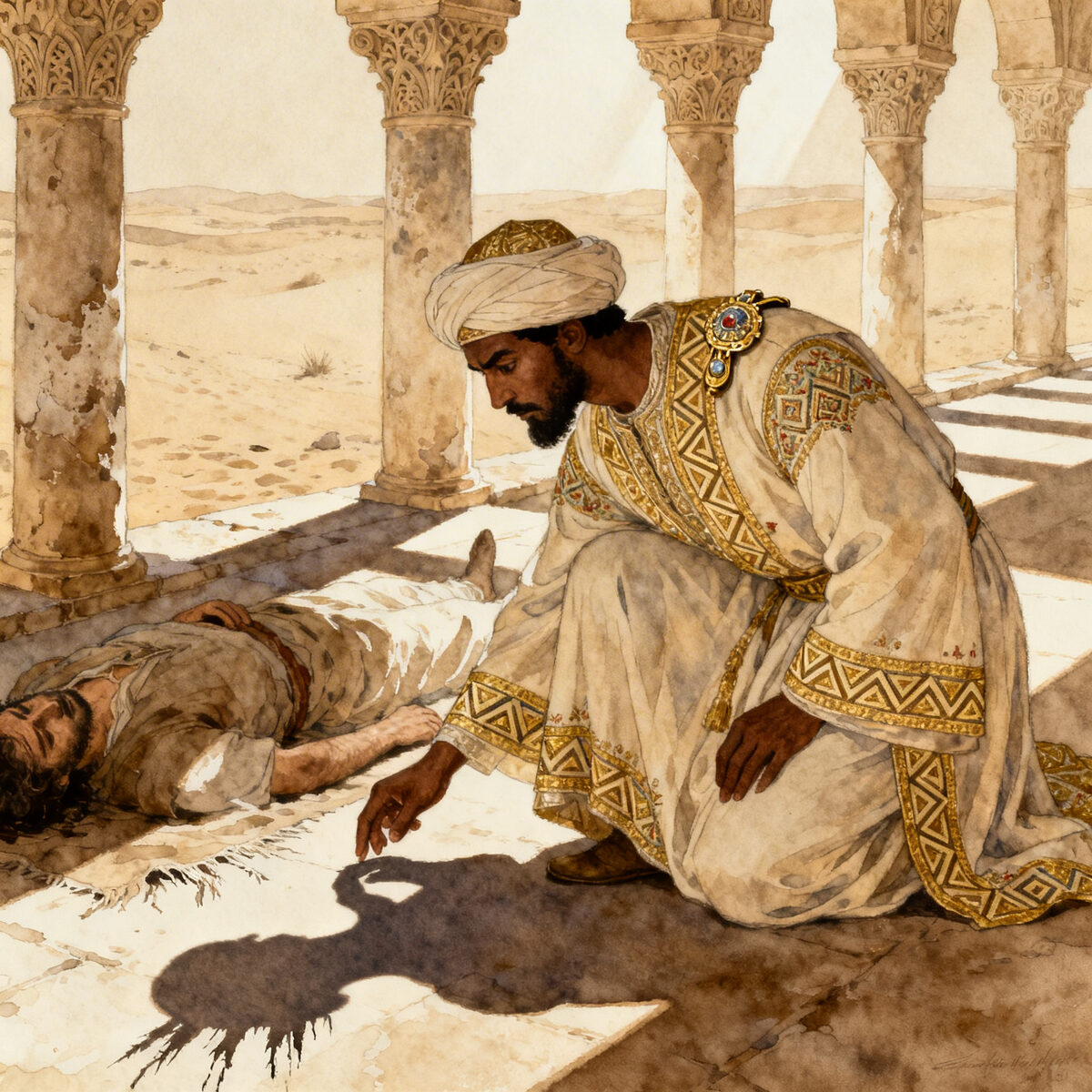
The Ka is life force the same way blood is blood, and when someone’s Ka runs thin you can see it in the Sheut before you see it in the body. A healthy shadow is ink-black and moves with conviction. When it begins to fray at the edges or turn the color of water, the physician reaches for something the quinine cannot address — the Ba is wandering and needs to be called home. The Valdaran doctor who treats only the fever while the Sheut thins is patching a roof while the walls are coming down.
Dead is merely a change in material status. Your father’s tomb requires the same maintenance as a canal: sand cleared, the cool water and bread of the offering-table checked, procedures observed on the correct days. The Akh, the effective spirit, requires infrastructure to function just as a living person requires food. Neglect the maintenance and he becomes a problem for the household, which is why this was always considered a practical matter rather than a sentimental one.
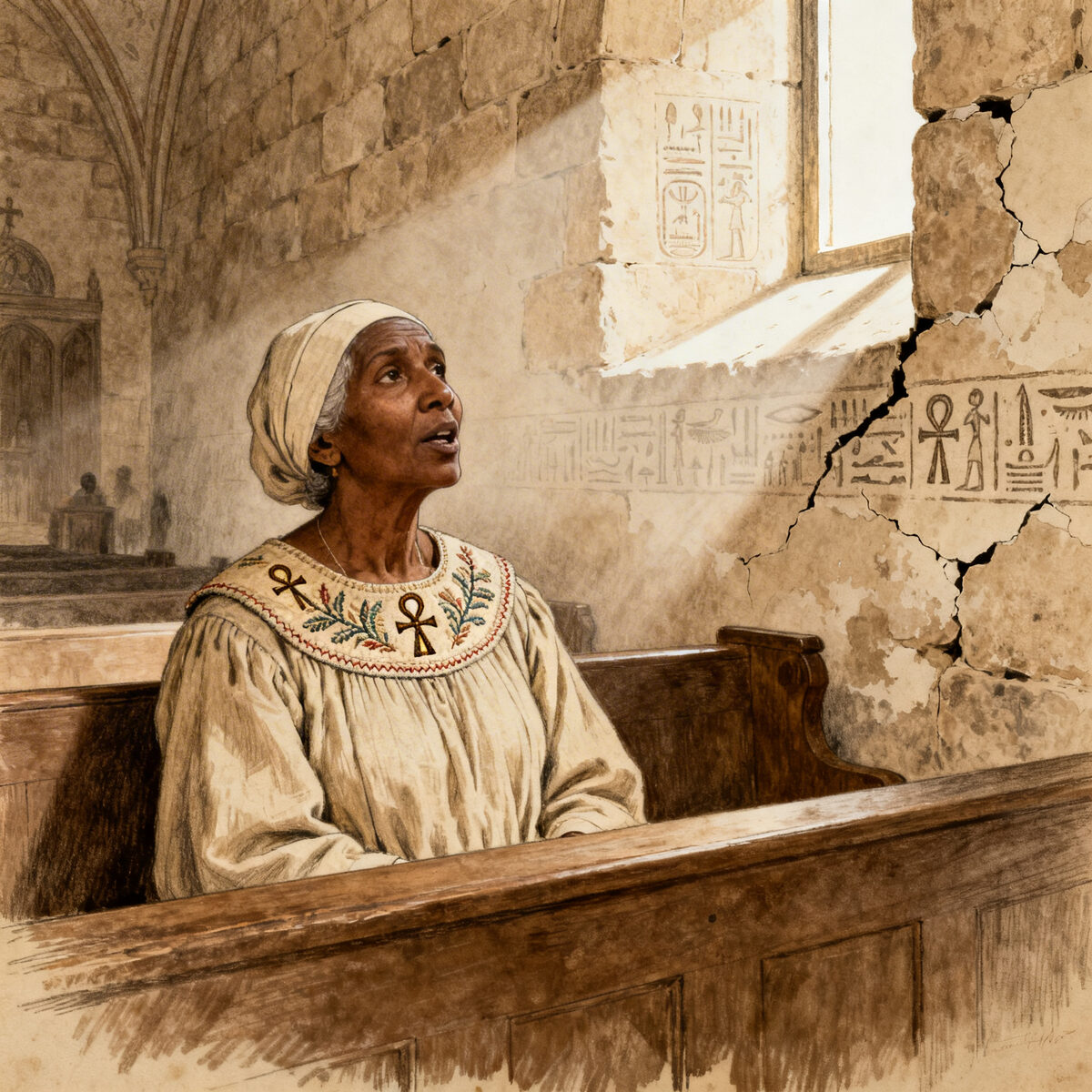
The liturgy is a vessel of the old tongue held in the throat of the Faith. The words the grandmother in the back pew says are the same ones carved into the granite outside, the Faith providing the melody while the stone provides the meaning. The Coptic syllables carry a percussive weight, the sound of a language already ancient when it was first written down. The grandmothers who know what the words mean say them in the right order on the right days, and the effect is the same as it has always been.
The Valdaran engineer has been measuring the monument for eleven days — brass transit, three notebooks, a theory about labor organization he is quite proud of. He calculates cubic volume and slope angle and estimated man-hours per course. The Kemetic workers watch from the shade of the temple wall and do not correct him. The numbers are the skin of the thing, and for all his instruments he has not noticed that the air in the chamber is breathing. He is very busy being wrong.
The Ka Agorate’s House of Wisdom already knows what a fraying Sheut means and why the dead need tending, because the Kemetic tradition of maintaining the Akh as infrastructure is the same discipline the House calls cosmic maintenance. The Asāsīyyūn recognize a people who check shadows for diagnostic information and maintain tombs the way other cultures maintain bridges — as something that will fail if you stop paying attention.
Reference Images
These images represent the visual direction for this region and were generated with OpenArt.
Grimmloch is an alternate reality — not a retelling of history. I have spent decades studying the stories of our own world so that each region feels grounded in something real, even when the fiction diverges. The map is not the territory. If I have, at any point, failed to honor the spirit of these cultures, please email me directly. I welcome the opportunity to address it.