Haemus
An Alternate Balkans
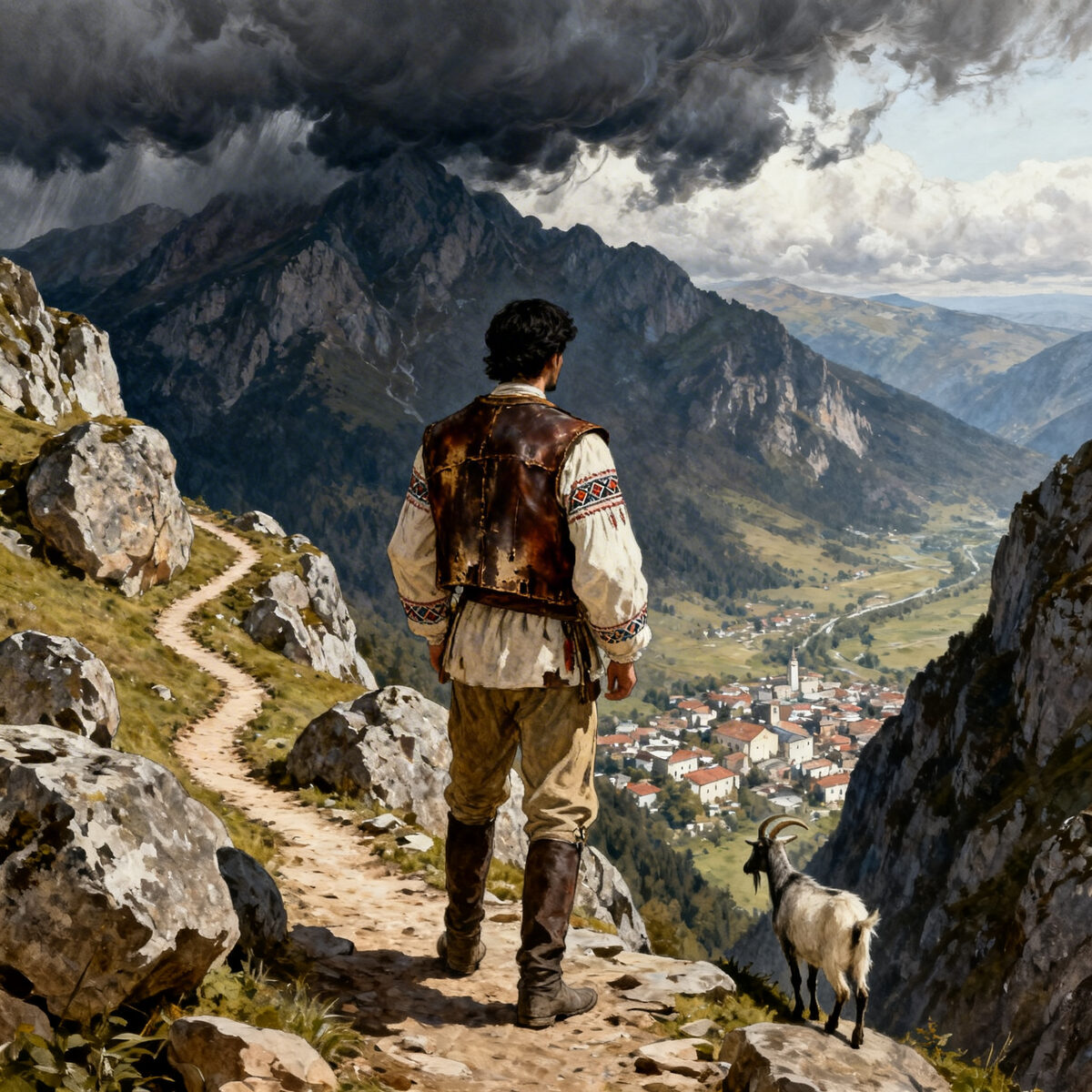
Haemus is the mountain interior between the Aigaion coast to the south and the rivers flowing east to Tsarigrad. The Tervingi who live there speak Gothic at home and Franconian in the market towns the empire keeps along the Axios. Valdara administers the Haemus from Karlingrad; the Tervingi have not been notified, or have not noticed, depending on whom you ask. Ten miles up the goat-path, the road that Valdaran engineers drew on the imperial map fades into a track that no surveyor can keep on paper from one season to the next.
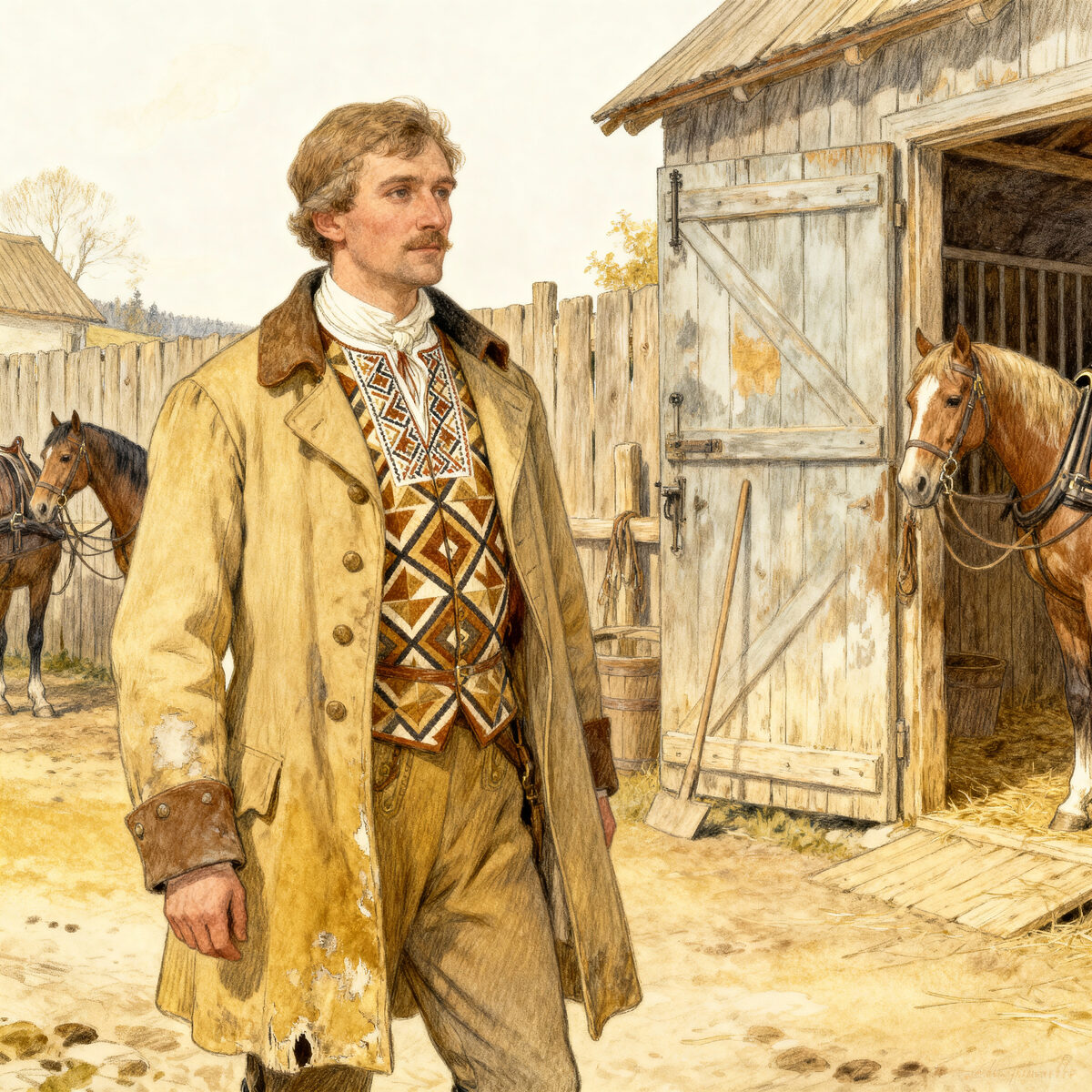
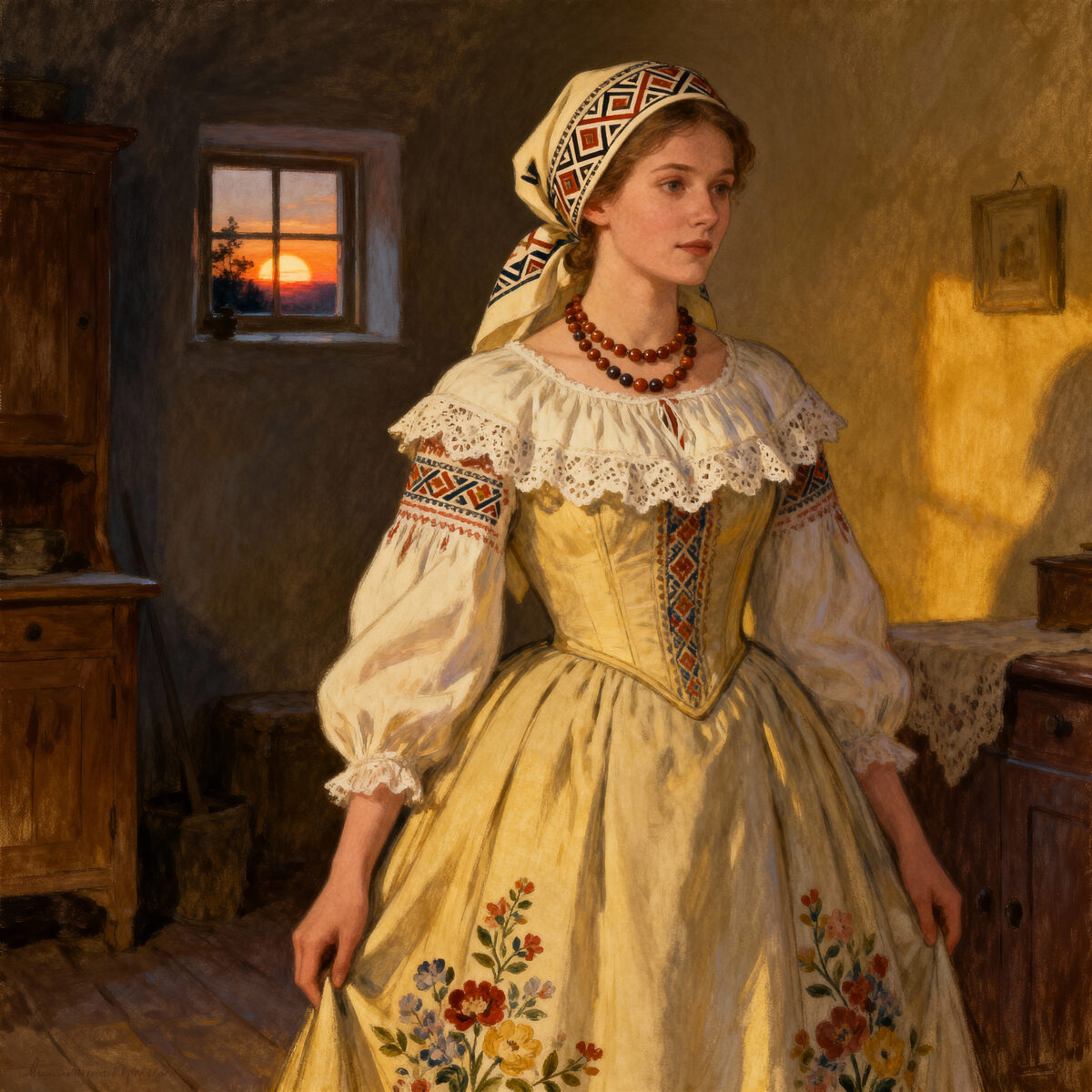
In the valley towns the houses are built of limestone with wooden balconies overhanging the streets. The stone arches the Basileia engineers laid across the Axios still carry the road. Above the valleys the goat-paths lead up to villages set behind timber palisades the Tervingi keep up the way their grandfathers did. Beech and oak forest covers the highlands until the trees give out at the bare ridges. The Tervingi themselves are tall, fair-haired, and weather-burned, dressed in earth-toned linen and opanaks of supple leather that hold on the limestone where Valdaran boots slip. The children wear amber from the northern coast at their necks, glowing in firelight.
In May the herds go up to the highland pastures with one or two boys per herd, and come down again in October when the snow starts threatening. In the valley towns the wine flows on market day and the bread is rough rye and warm out of the oven. In every household a bottle of rakija sits on the high shelf for visitors and for problems that need a glass to face. The lamb is roasted over open flame at every wedding and every funeral and every name-day worth marking. After the meal the gusle player draws his bow across the single string and starts the song that everyone present has known since childhood, the words of which most of them no longer entirely understand.
Before the foundation stones are laid for a new house, the head of the family brings a rooster or a young lamb to the site and cuts its throat over the cornerstone, and the blood goes into the dirt the foundation will sit on. The mountain shrines along the goat-paths have stones that have received this same offering since before the Faith arrived to give them saints’ names. A stonemason who lays a foundation without observing the practice, locals will tell you, gets a structure that argues with weather. The hajduk knows the valley’s law and the mountain’s law equally, and is bound fully by neither. He moves goods between the highland villages and the valley markets when the official traders cannot or will not. He knows which valley judges accept a bottle of rakija and which require silver. He stays out of the market towns when a Valdaran tax-collector is in residence, and comes back when the collector has gone.
When children in the Tervingi villages cannot be woken during hailstorms the Tervingi say their souls leave the body and ride out into the wind, steering the hail away from the wheat fields and the houses where the other children sleep, and they call these children zduhać. On the day before the first heavy snow the grandmother walks up the goat-path she has walked since girlhood, says the name of every shrine she passes, and walks back down before dark. She has done this since her own grandmother first showed her the path, and the names she speaks are older than the harbors of the Aigaion and older than the walls of Tsarigrad.
In Grimmloch the Aelfyn Sith’s Wilderkin include Vila, Iele, and Leshy in their numbers, and a Tervingi grandmother who has walked the goat-paths naming shrines since girlhood finds those names answering when she calls them at the next Wilderkin revel. The Dunraven Folk’s Nemedain cast bones and read ravens for the other clans, and a Tervingi from a household where the body lay cold on storm nights has watched the work of divination since she was small. The Aurelia Raed’s Rubin Ross drill in the courtyards of stone fortresses they raise by hand, and a Tervingi whose father took the timber up to the village palisade in spring already knows what such work makes of a man.
Reference Images
These images represent the visual direction for this region and were generated with OpenArt.
Grimmloch is an alternate reality — not a retelling of history. I have spent decades studying the stories of our own world so that each region feels grounded in something real, even when the fiction diverges. The map is not the territory. If I have, at any point, failed to honor the spirit of these cultures, please email me directly. I welcome the opportunity to address it.