Gallia
An Alternate Gaul
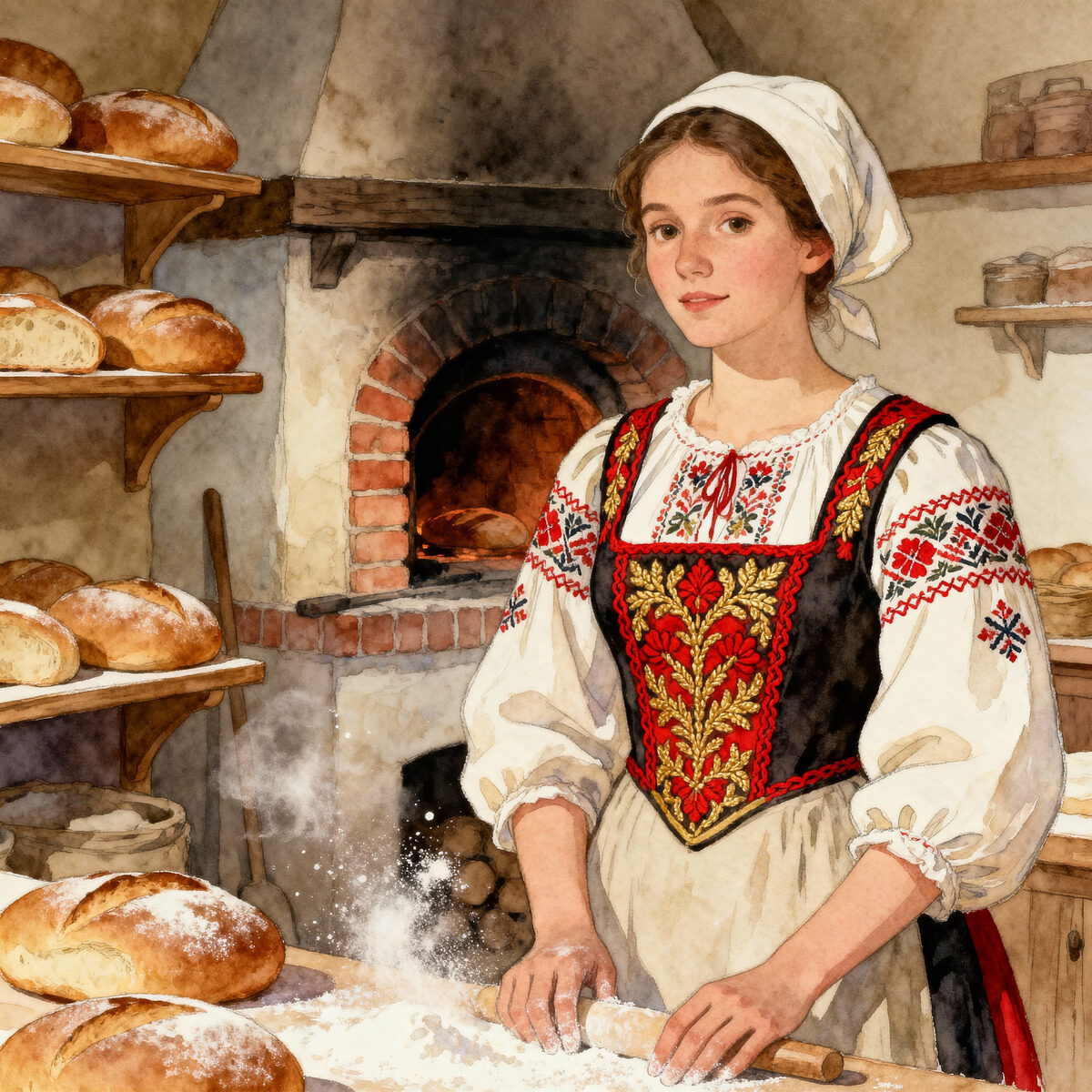
Gallia is the region of rolling hills and river valleys south of Bretonia, where vineyards climb every south-facing slope and the bread is baked twice a day. The Gallians speak Frankish and trace their lineage to the Gaulish tribes who built hill forts and held off Tsarigrad’s expansion with carnyx-horns and bardic song. The Karolinger dynasty rose here before it crossed the Rín to rule from Karlingrad. Inside Gallia is Francii, the river-valley heart where Franconian culture took its name. The Faith arrived later and found the sacred groves already in use — it blessed them and moved in.
Pungent Maroilles, wine that tastes of the sun and stone of its hillside, and tables where the meal is never rushed. Dark-haired and broad-smiled, dressed in practical linens dyed woad-blue or weld-yellow, they will feed you before they ask your name and argue politics till long after dessert.
You come from a country that has been converted several times and remembers every one of them. The Socii left paved roads and the cult of Mercury, who was quietly folded into the local trade gods. The Karolinger built their power on a marriage of martial ferocity and religious conviction, and produced the kind of Gallian who can argue the nuances of theology and break a man’s arm with equal fluency.
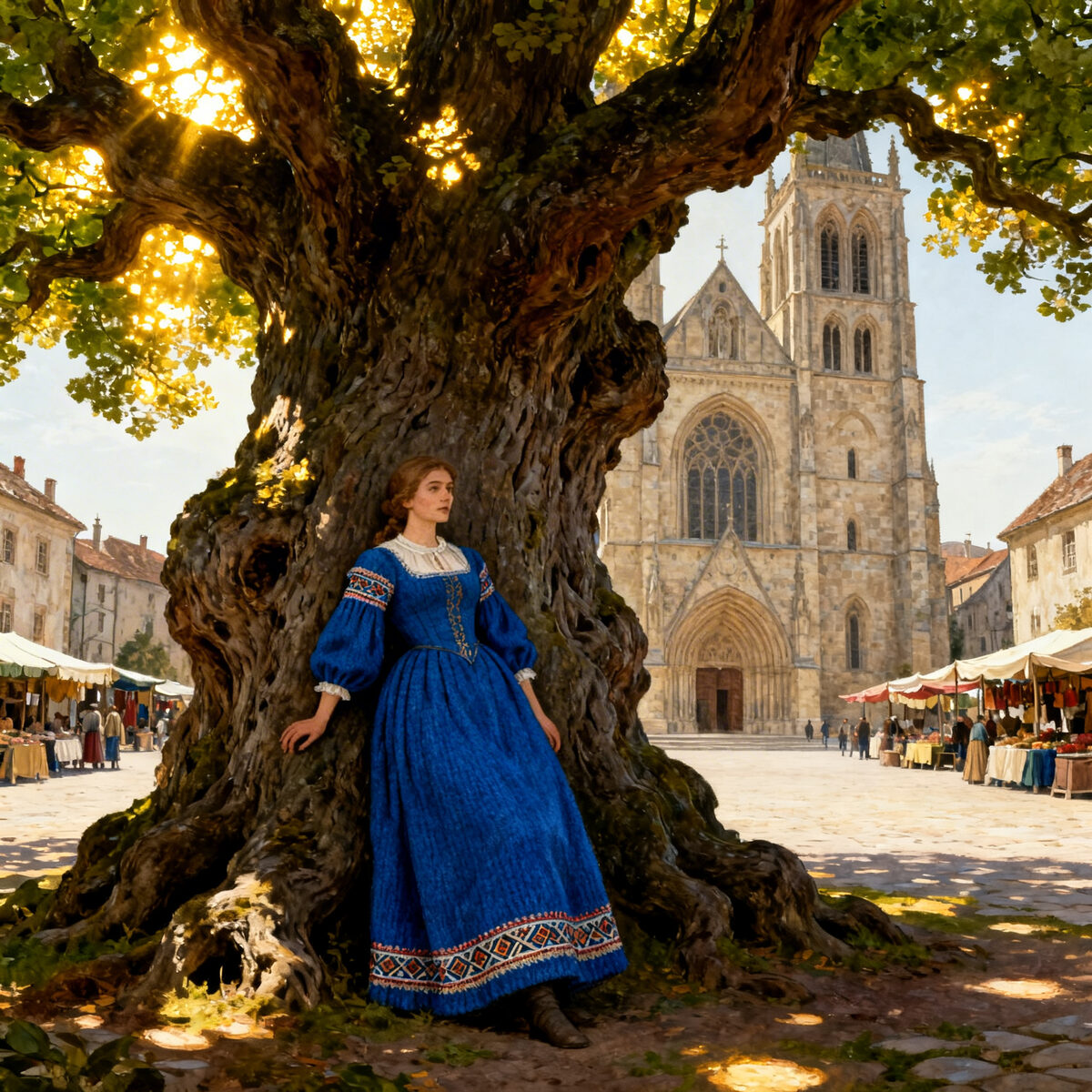
Nobody planted the oak in the center of the village. The cathedral behind it was built by master stonecutters. The market square evolved with a stubbornness that refuses to be organized. The elders still convene beneath the oak to settle local matters, though their authority now extends only to the timing of the grape harvest or whose turn it is to repair the common mill. The authority they had before that, the kind that settled blood-feuds and negotiated between tribes, has been given over to the bureaucrats in the brass-plaqued building. The elders do not argue with the bureaucrats yet still hold court beneath the oak.
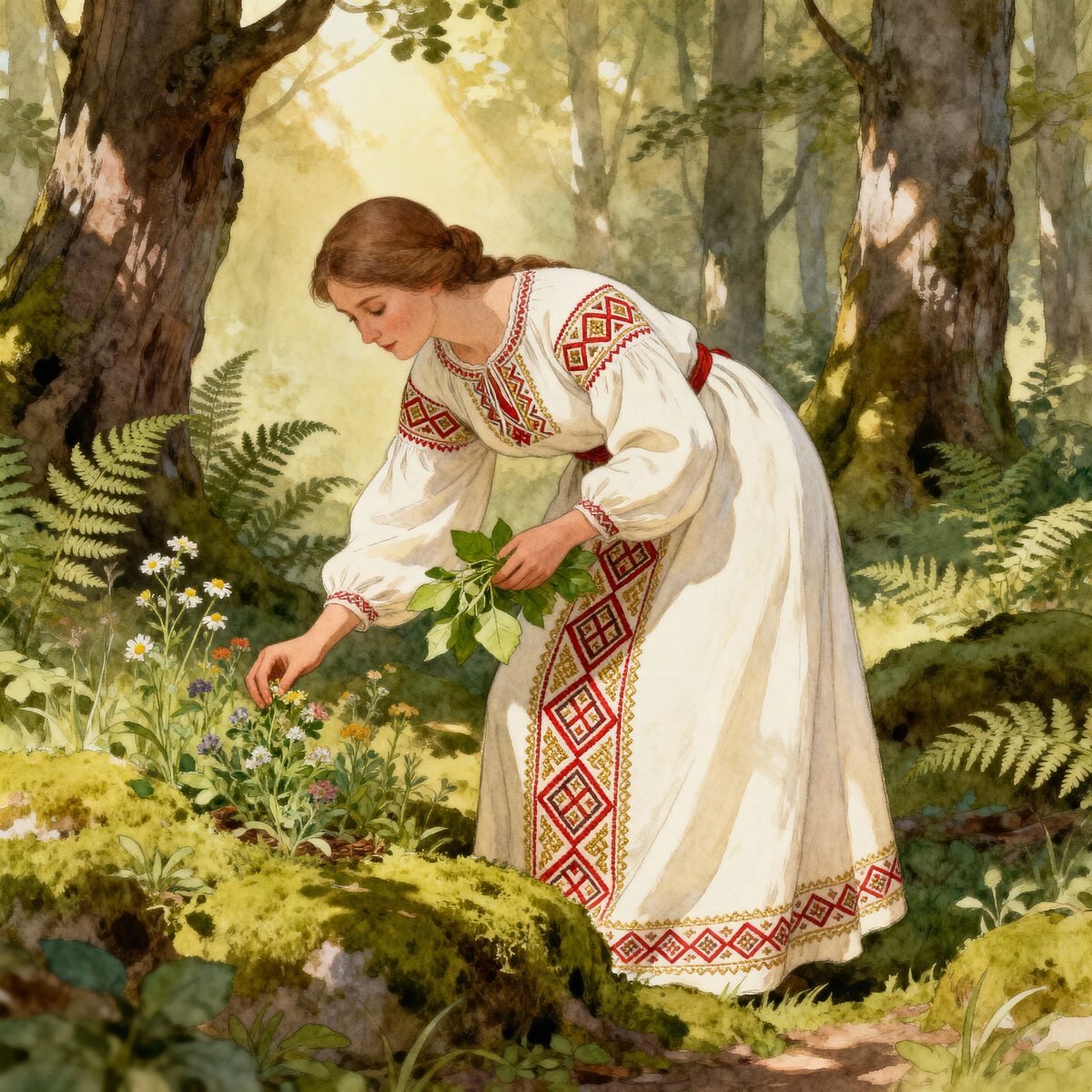
The young men still wrestle and race for wreaths of oak at the Cintumessus games. The bread is braided into the triple-knot at the winter solstice. The midsummer fires are lit with nine types of wood on the longest day of the year. The Faith gave the occasion a saint’s name, and the village uses it on the official calendar, and nobody at the bonfire calls it that. Your family celebrates the turning of the seasons with a ritual thoroughness that slightly embarrasses you in Valdaran company. The herb-keeper at the edge of the village knows which plants cure and which kill and she is consulted quietly before the physician is called. She uses the left hand for hemlock, the right for vervain, and speaks the words in the old Gaulish meter. Those who abandoned the practice have gardens all the poorer for it.
In Grimmloch the magic the herb-keeper carries is real, and the Dunraven Folk’s Nemedain will teach you the rest of the words. The Aelfyn Sith’s Wilderkin live the rhythms your festivals only gesture at — the longest day, the longest night, the song that goes until dawn — and they will let you stop pretending you don’t want to dance with them. The Order of the Tyrian Talon turned the Karolinger marriage of martial ferocity and religious conviction into an institution with banners and oaths and lists, and the Gallian who can argue theology and break a man’s arm is exactly who it recruits.
Reference Images
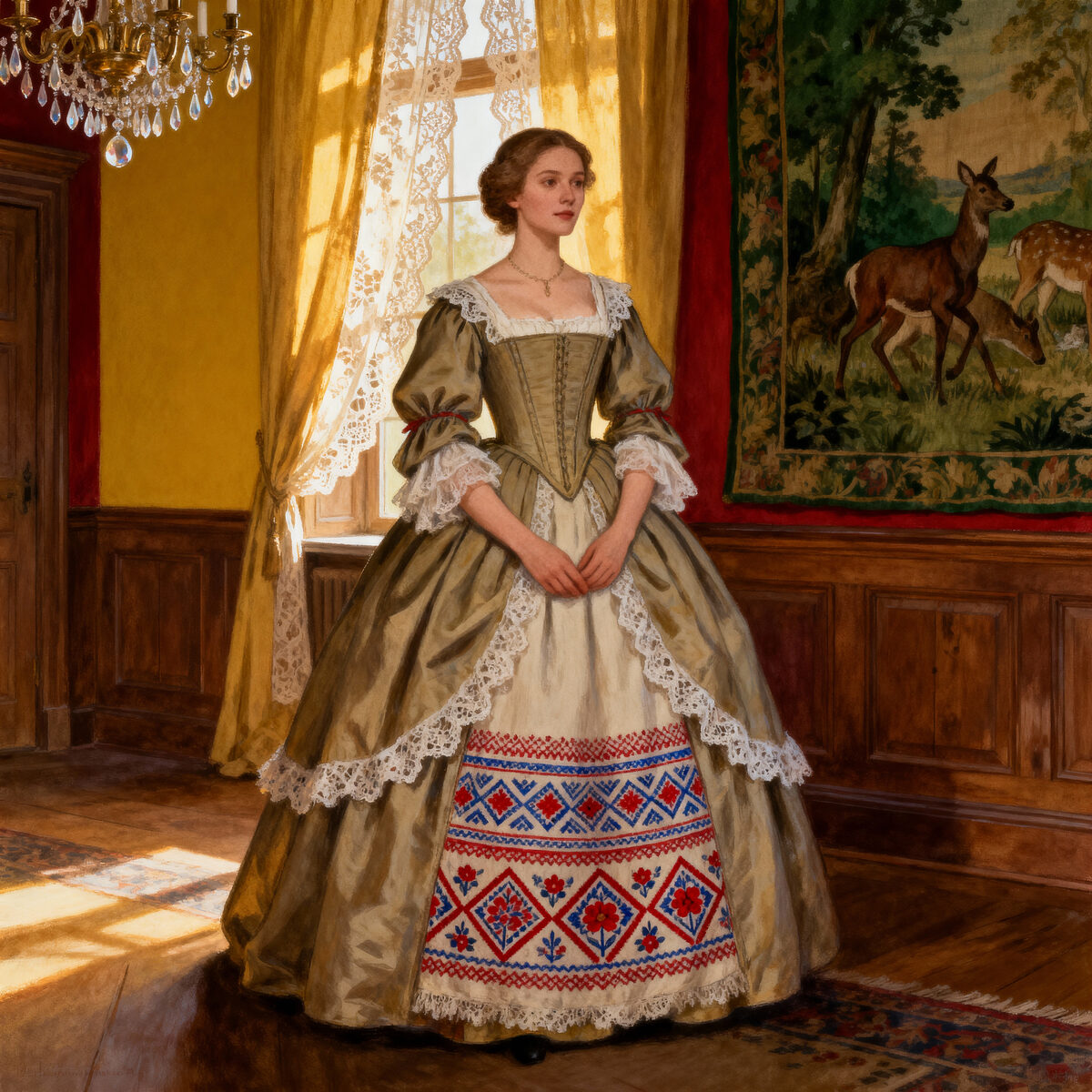
These images represent the visual direction for this region and were generated with OpenArt.
Grimmloch is an alternate reality — not a retelling of history. I have spent decades studying the stories of our own world so that each region feels grounded in something real, even when the fiction diverges. The map is not the territory. If I have, at any point, failed to honor the spirit of these cultures, please email me directly. I welcome the opportunity to address it.