Karlingrad
The Western Capital
Karlingrad is the western capital of Valdara and, with Tsarigrad in the east, one of the kingdom’s twin seats of power. The Karolinger kings built it as the heart of Neustria, and when Neustria joined Basileia two centuries ago to form Valdara, Karlingrad kept its weight. The official language of administration across the kingdom is Franconian because Karlingrad speaks it. The weights and measures used in every market from Skania to the Sahil are calibrated here. The Polytechnic produces the engineering that is currently replacing the handloom, the watermill, the sailing ship, and the oral tradition with something faster, cheaper, and measurable. The military academies still drill on the same grounds where the first Neustrian cavalry rode out under the Karolinger banner.
Smokestacks and factory whistles, coal dust that gets into everything and never quite washes out, and the particular metallic taste of air that has passed through too many machines on its way to a worker’s lungs. Pale and hollow-eyed, dressed in rough dark fabrics that hide the soot, hands calloused from the machinery they have been operating since they were old enough to reach the levers. The beer is dark, the pumpernickel is heavy, and at the end of the late shift the workers sing a song that nobody remembers learning. On Sunday the smoke-blackened churches fill up, because it is the one morning the whistles do not blow.
Your name is Wilhelm or Heinrich or Gisela, an old Franconian name spoken in a voice worn thin by shouting over machinery. You learned to read in a charity school between shifts. The clerks copy forms that govern your life, written by people who have never lived in the poor quarter. The master craftsmen of the Zünfte — the old Neustrian craft guilds whose masters judged every piece of work — play Nine Men’s Morris with gnarled hands in city parks. The tenements rise like headstones between the workshops, housing families who share single rooms and breathe air that never quite comes clean.
The silence is at the center of the efficiency. It arrives at midwinter, when the gas lamps are blazing, the factory is warm, the production numbers are excellent, and something about all of it feels like it is covering for something.
There is a word in old Franconian — Sehnsucht — that the Polytechnic professors translate as nostalgia and the workers translate as the thing that sits in your chest when the whistle blows at dawn.
The loss is not a wound; it is an absence, the shape of something that is not there anymore, removed so efficiently that most Karlingraders do not even notice it is gone. The mills work. The trains will run when the railway is finished. The engineering is brilliant. And underneath all of it, in the silence between the end of one shift and the start of the next, something that used to be here is not here anymore.
The Nightmare Court’s Patchwork King solved the labour problem the way Karlingrad always dreamed of solving it, and the solution is the most terrible thing you will ever understand. The Ka Agorate’s House of Wisdom asks the same questions the Polytechnic asks, except the House did not stop at the measurable. Those who hear Black Briar Abbey’s bell will mistake it for the answer to everything they lost, and that resemblance is the most dangerous thing about it.
Reference Images
These images represent the visual direction for this region and were generated with OpenArt.
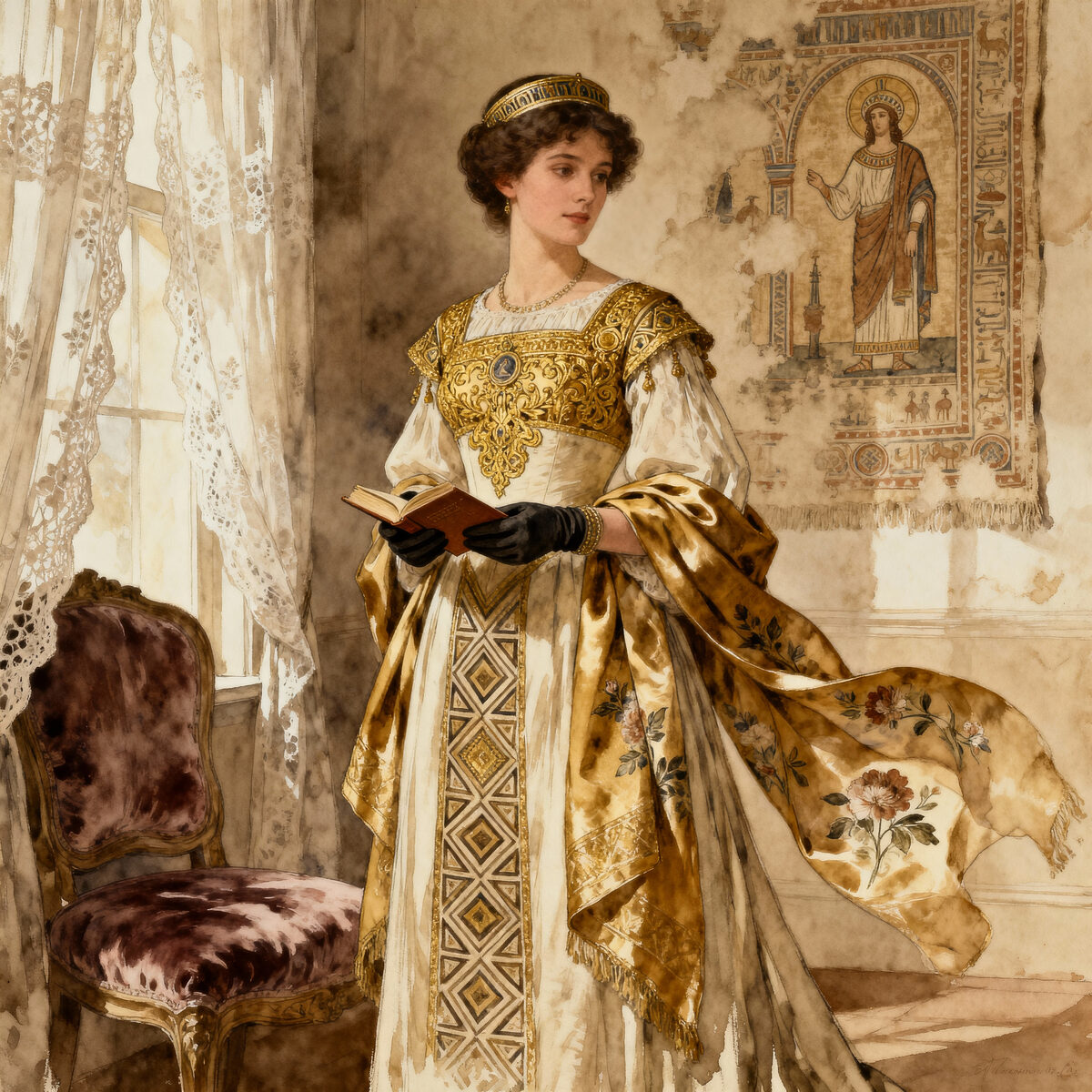
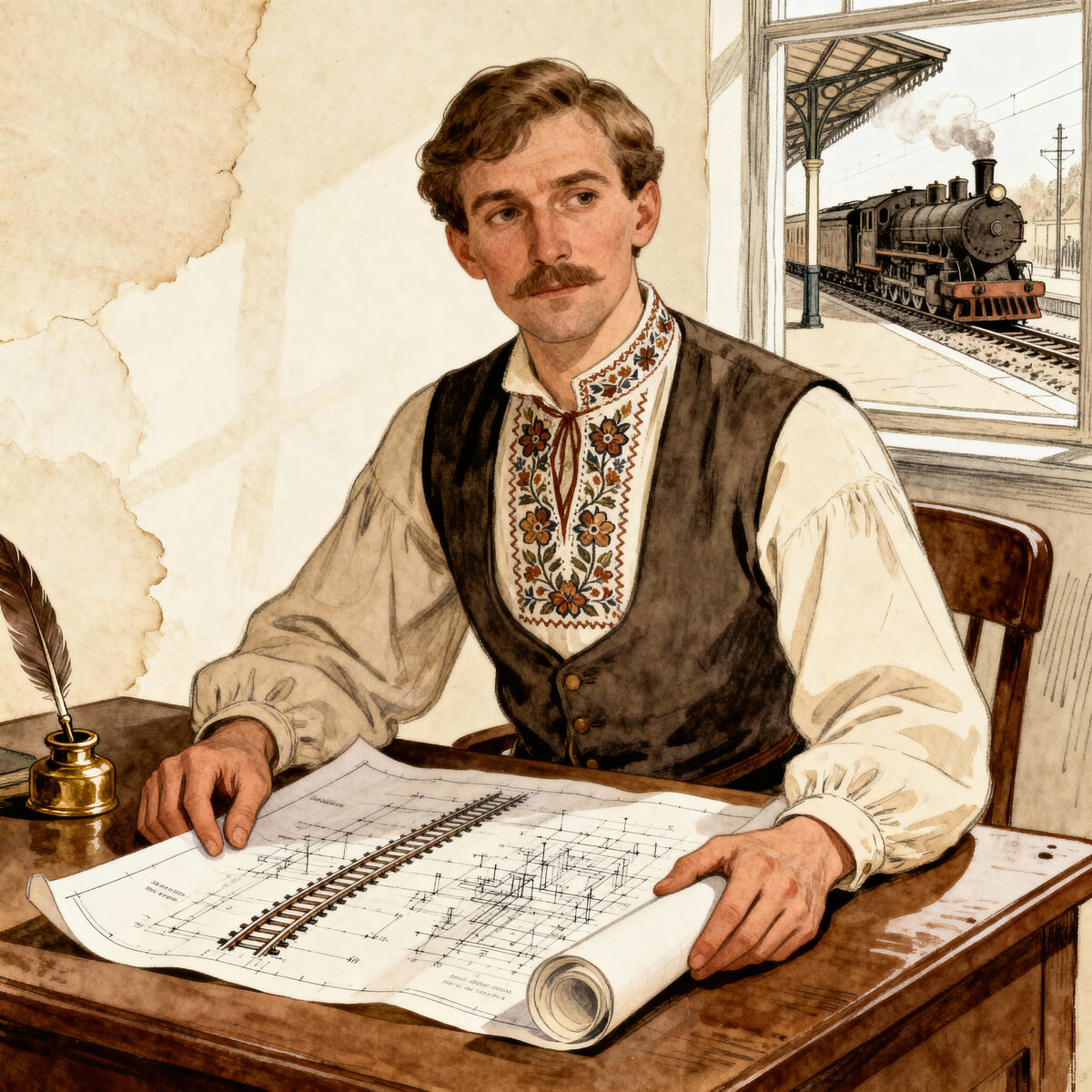
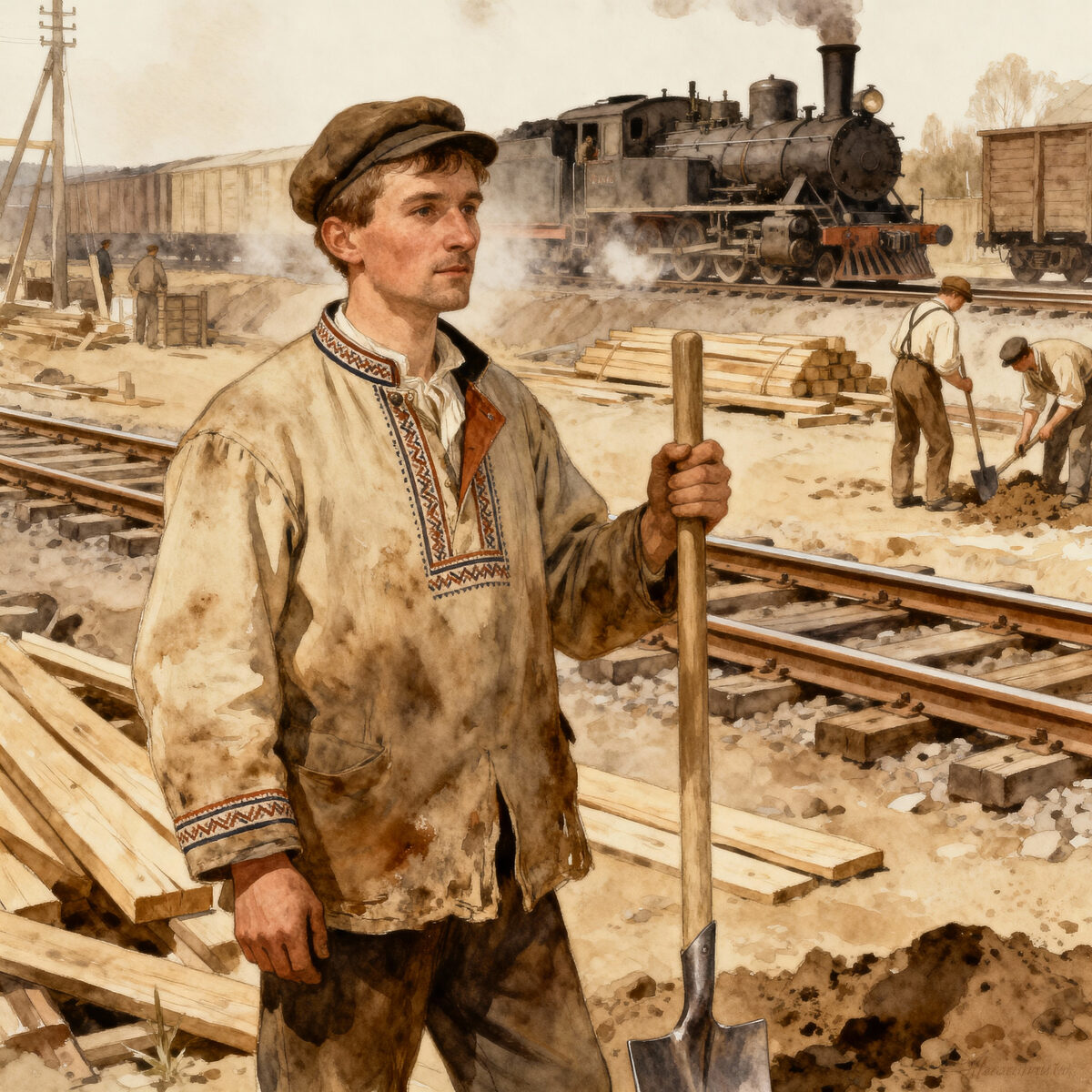
Grimmloch is an alternate reality — not a retelling of history. I have spent decades studying the stories of our own world so that each region feels grounded in something real, even when the fiction diverges. The map is not the territory. If I have, at any point, failed to honor the spirit of these cultures, please email me directly. I welcome the opportunity to address it.