Numidia
An Alternate North Africa
Atlas mountain ridges and highland passes where the paths move when the maps say they shouldn’t. Proud and weathered, wrapped in indigo burnous that stains the skin beneath, silver fibulae pinning the cloak at the shoulder in patterns that mark your tribe and your mother’s tribe and her mother’s before that. The carpets are woven in bold stripes and diamond motifs in saffron and indigo, and every pattern means something that the buyer in the northern market will never know. The horses are mountain-bred and sure-footed, the village assemblies still meet under olive trees, and when the tax collector’s map disagrees with the mountain, the mountain is correct.
The Valdaran map-maker is frustrated by the mountains. On his paper the peaks are triangles and the valleys are lines, and he believes that once he has colored them in they belong to the central archive in Karlingrad. He does not understand why the paths move, why the village he marked years before is no longer there, why the spring at the base of the ridge has a temper, why the locals respond to questions about permanent settlements with a patience that is somehow less reassuring than no answer at all. He treats the landscape as a fixed object. This is his first error. There are several more waiting.
The desert is crowded with names that the Valdaran maps have no room for. Every spring, every pass, every particular configuration of rock that means shelter from the wind that arrives in the third week of the dry season carries a name in Tamazight that has outlasted every road the Socii built through the valley, every shrine the Faith consecrated on the mountainside, and every administrative system that has attempted to impose itself on this landscape. The names are not on the Valdaran maps because nobody asked, and nobody asked because the surveyors assumed the landscape was empty of meaning until they arrived to provide some.
The Tifinagh script is carved into the rock faces of the Atlas. You can read it today in the same alphabet, continuous from the oldest marks to the ones your grandmother cut last season. The Valdaran archivist has filed a report classifying these as pre-linguistic decorative markings. The Mazigh weaver knows the geometric pattern on the carpet is a prayer for rain and a record of her mother’s mother’s migration route — a document with more legal weight than anything the archive in Karlingrad has produced, because it has been maintained longer.
The Baraka moves with the person, not the property. A man of genuine Baraka, the kind that accumulates through years of correct conduct and generosity and right relationship with what the land requires, carries that blessing wherever he goes. The spring where he camps runs a little cleaner the next morning. The animals that bed near his fire are healthier. The negotiations he conducts find their way to outcomes that serve everyone adequately. Valdara wants to tax the spring, not the man, but the spring does not know what a tax is, and these two systems do not resolve.
The Jnun are the people of the earth, the ones whose arrangements with the land carry more legal weight than every treaty Valdara has written. The Valdaran engineer sees a vein of copper ore and files a mining claim. The Mazigh worker sees a neighbor’s pantry, and you do not break into a neighbor’s pantry with a pickaxe and expect a quiet night. The Jnun are not the kind of neighbors who complain once and let the matter drop.
The famous Mazigh horses — swift mountain breeds that once carried messengers between kingdoms — now disappear into Valdaran cavalry units where their riders learn to fight for distant causes rather than clan honor. The silver smiths who forge the tribal jewelry increasingly work with northern metals rather than the mountain silver their ancestors mined. But the assemblies still meet under the olive trees, and the mountain still disagrees with the map, and the mountain has never once been wrong.
The Verdant Shield already speaks a language the Mazigh recognize: karam as the highest form of strength, generosity as the measure of honor, the faris jawad who protects the traveler because it is simply the correct thing to do. The Aelfyn Sith’s Wilderkin have the same opinion about who the land actually belongs to, and are considerably less surprised by the Mazigh view of property rights than anyone from the coastal cities has ever been.
Reference Images
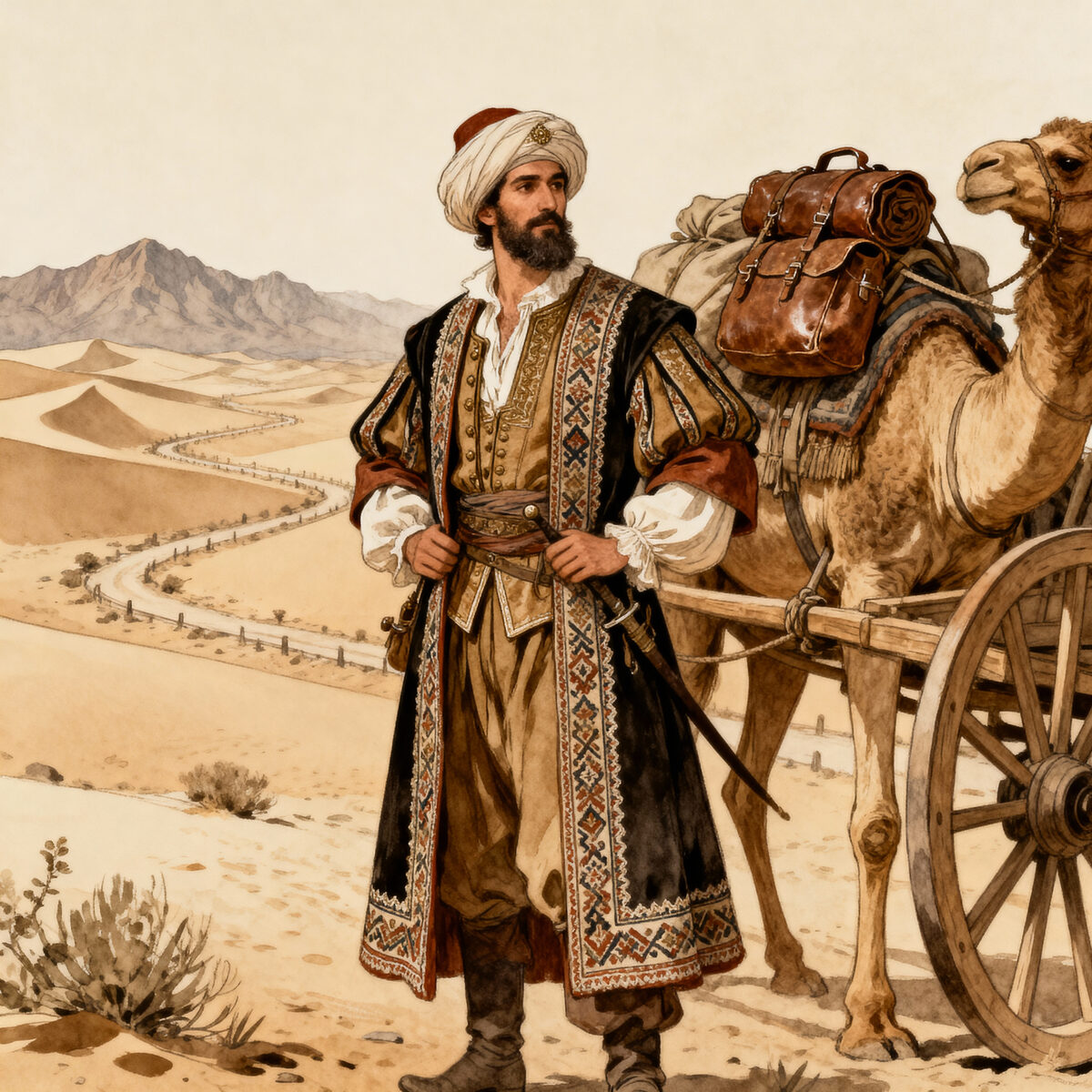
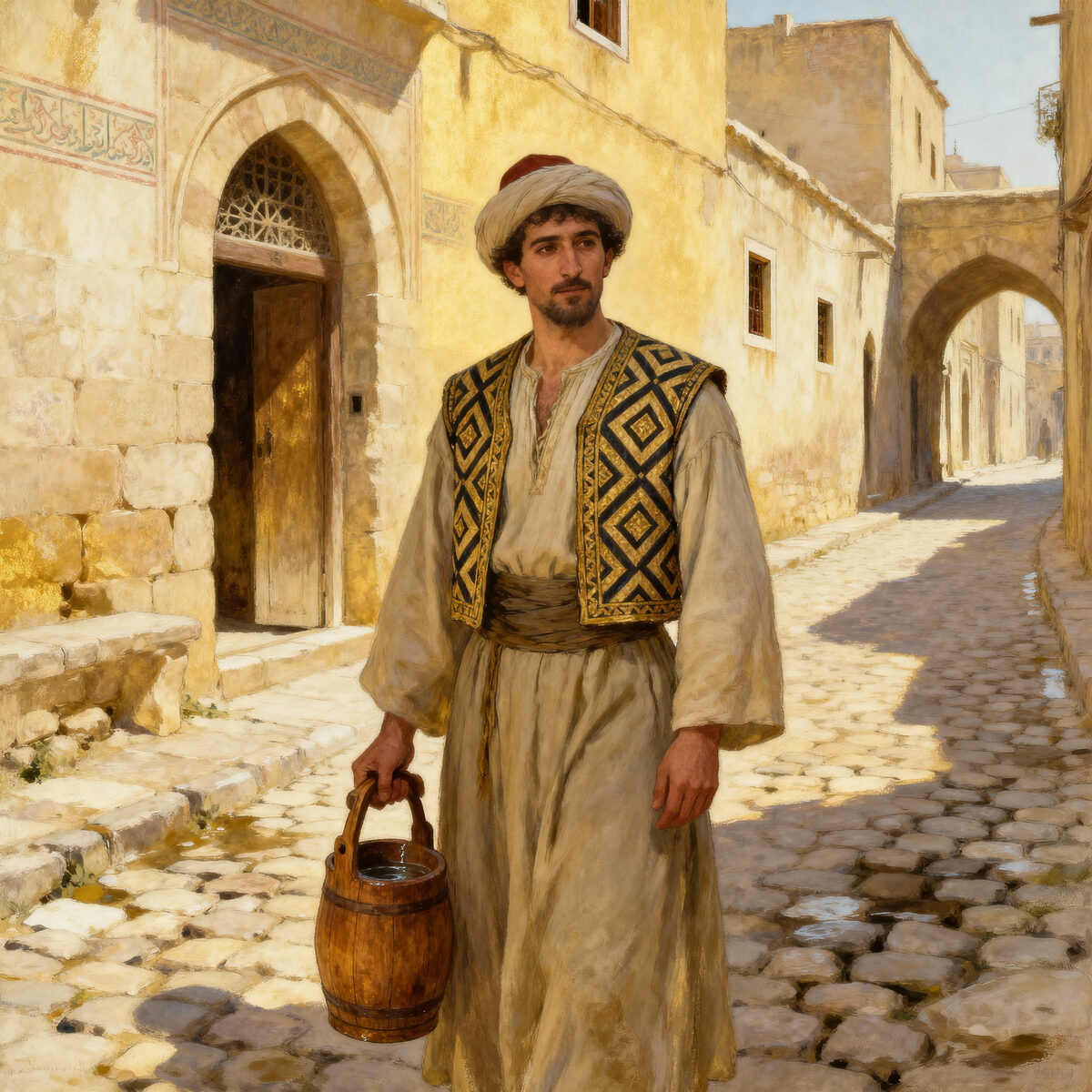
These images represent the visual direction for this region and were generated with OpenArt.
Grimmloch is an alternate reality — not a retelling of history. I have spent decades studying the stories of our own world so that each region feels grounded in something real, even when the fiction diverges. The map is not the territory. If I have, at any point, failed to honor the spirit of these cultures, please email me directly. I welcome the opportunity to address it.